
.png)

How Retreat Leaders Choose Land That Actually Supports Transformation
- Feb 17
- 6 min read
Before you design a single ceremony, before you send one email, before you hire a chef, you've gotta know where you're holding space. Not just logistically & physically, but Energetically. Ecologically. Practically. All at one.
There’s a difference between hosting a retreat somewhere beautiful…and hosting a retreat somewhere that actually changes people.
I know this because I’ve done both.
Over the last decade, I’ve co-created and facilitated retreats across the world from jungle sanctuaries in Bali to riverside temples in Thailand, from private estates to land-based community spaces in Texas through my company Sacred Explorer Retreats.
And I can tell you with full-body certainty:
The land matters. But not in the way most people think.
It’s Not About Aesthetic. It’s About Alignment.
A lot of new retreat leaders choose locations based on:
Instagram appeal
Luxury amenities
Price per night
What looks impressive in photos
But transformation doesn’t come from infinity pools (people hardly use them when the vibe is right).
It comes from coherence.
Experienced retreat leaders who are holding medicine ceremonies in the jungle, somatic healing weekends in the mountains, or c-suite leadership intensive in coastal retreats will tell you the land is not a backdrop. It is a co-facilitator. It has it's own intelligence, its own energy, its own effect on the nervous system. Choose well, and the land does half your work for you. Choose poorly, and you're fighting it the entire time.
This guide is for aspiring retreat leaders who want to approach land selection with the same rigor and intentionality they bring to every other part of their work.
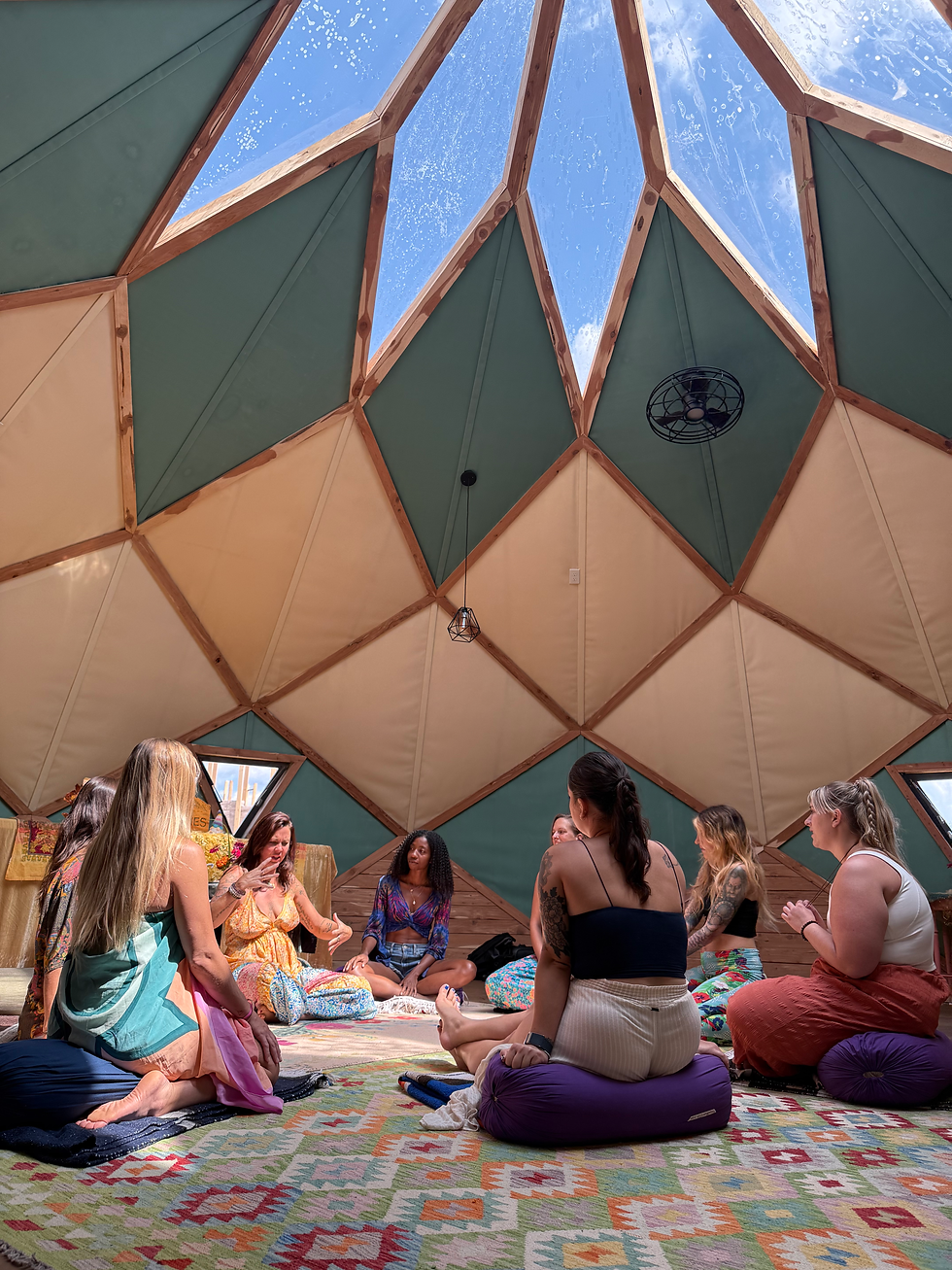
When I've hosted my Sacred Explorer retreats, often in locations I've never been to before, I didn’t just look for beauty. I looked for energetic safety. I chose places where participants could cry without being overheard. Where ceremonies could unfold without interruption. Where mornings felt spacious enough for integration. This is exactly the feeling you get at Cosmos Ranch.
One participant shared:
“I’ve never felt held by a place before. It wasn’t just the facilitators — it felt like the land itself was supporting me.”
That’s when I knew we were creating something beautiful.
The Land is not a Venue. It is a Co-Facilitator
When you host a potent retreat, you are opening nervous systems. You are activating shadow. You are expanding identities.
If the land cannot hold that… you will feel it.
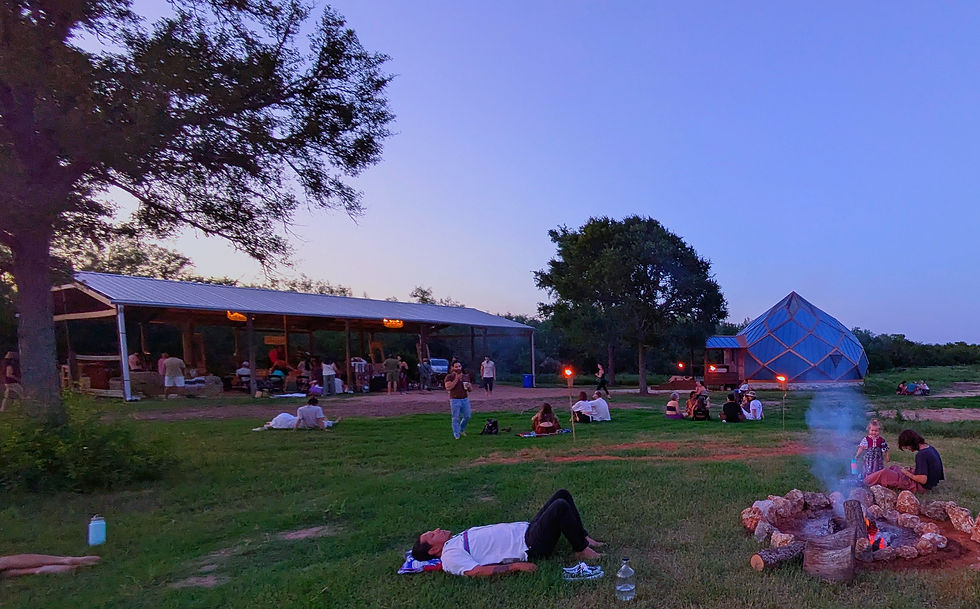
I’ve experienced retreats where:
And I’ve experienced the opposite. | Where:
|
The single most important shift you can make in how retreat leaders choose land selection is this: stop thinking about it as a venue search and start thinking about it as a partnership inquiry. You are not renting a facility. You are entering into a relationship with a living ecosystem and asking it to co-hold the most tender, courageous, and transformative work human beings can do together.
Approach it with that gravity. Visit properties with that reverence. Walk the land with that openness. Ask the hard practical questions and the quiet spiritual ones. Trust your body's knowing alongside your checklist's logic. And when you find a place that says yes, when the land opens to you the way good land does, you'll know. It won't feel like finding a venue. It will feel like finding a collaborator.
That is the land your participants need. That is the land your work deserves. That is the land worth waiting for.
Start with the Question: What Does this Work Require?
Before you search a single listing or visit a single property, get clear on what your specific work demands of a space. Different modalities have radically different land requirements.
A plant medicine ceremony requires darkness, privacy, sound containment, proximity to nature, and often the ability to be outside during the night safely. A yoga and somatic workshop might need open floors, acoustically warm rooms, and space to move freely indoors and out. A leadership retreat for executives might need privacy and seclusion but also a sense of sophistication that signals to the participants this is serious, high-caliber work.
Key Question to Ask YourselfSit quietly and ask: If my ideal participant arrived on this land before the retreat began, before they met anyone, before all the programming, what would I want them to feel? That answer tell you a great deal about what the land needs to offer. Awe? Safety? Wildness? Solitude? Clarity? Let the feeling lead the search. |
The work you do also determines the energy profile of land that will support it. Trauma-informed somatic work often calls for enclosed, womb-like spaces with gentle slopes, dense trees, soft light. Visionary or plant medicine work tends to want open sky, stars, proximity to moving water or ancient trees. Leadership and high-performance work often thrives on dramatic landscapes with clifftops, wide horizons, places that make people feel simultaneously small and expansive.
None of this is woo. It's environmental psychology. Landscape affects the nervous system, affects the psyche, affects what becomes possible. Know what you're facilitating, and let that guide where you look.


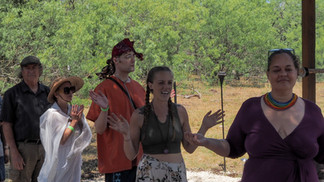

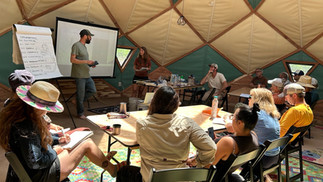
"The land will tell you if it wants to hold this work. Your job is to be quiet enough to hear it."
I’ve had participants:
Leave jobs within months.
Repair relationships.
Launch businesses.
Reclaim their voice.
Finally grieve something they’d been holding for years.
And almost every testimonial mentions one word:
Held. That word is everything.
The Non-Negotiables That Keep People Safe & Held
Spiritual resonance matters deeply. So does having a functioning septic system. Both are true, and neither negates the other. Experienced retreat leaders hold the practical and the sacred with equal seriousness.
Here are the practical criteria that experienced leaders cite most often as non-negotiable:
Sound privacy and containment: Participants in ceremony, in somatic release, or in emotionally raw leadership work may make sounds like crying, laughing, toning, moving loudly. The land and its structures need to contain that without causing disruption to neighbors or exposure to passersby.
Water quality and reliable supply: Retreats involve a lot of hydration, cooking, and often ceremonial use of water. Know your water source. If it's a well, get it tested. If it's municipal, understand any restrictions. Water scarcity mid-retreat is a serious logistical problem.
Sleeping arrangements that support rest: Deep transformation requires real rest. Examine the sleeping spaces: are they warm enough at night? Dark enough? Insulated enough from sound? Thin walls or dormitory-style rooms with poor soundproofing actively undermine integration.
Outdoor space for all conditions: Even if your retreat is primarily indoors, outdoor access matters enormously. The ability to step outside during integration, to be in nature after ceremony or after an emotional release, is profoundly healing. Ensure there is adequate and accessible outdoor space.
Food preparation infrastructure: Whether you're bringing a private chef or using a catering service, the kitchen needs to be functional and appropriately sized. Retreat nutrition is part of the medicine. A malfunctioning kitchen creates chaos that ripples through the entire experience.
Choosing Land Isn’t Just Logistics. It’s Leadership.
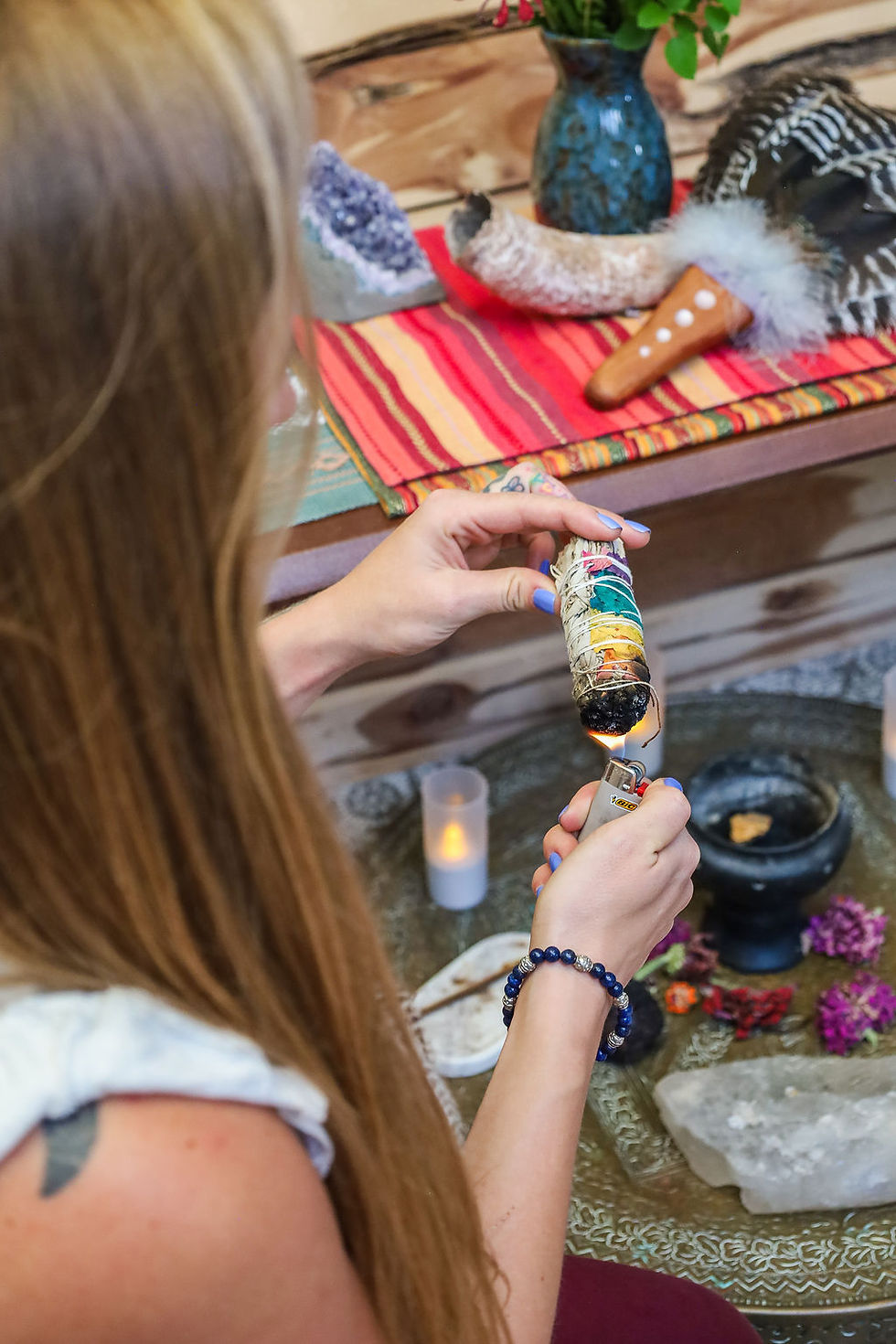
If you’re stepping into hosting retreats, this is a rite of passage.
You’re not just booking a venue.
You’re deciding:
Can this place handle tears?
Can this place handle silence?
Can this place handle dance?
Can I handle open hearts here?
Land amplifies who you are as a facilitator.
And when you choose well, it feels like co-creation instead of effort.
"We don't choose land once. We choose it over and over again, each time we return to it with care and presence. That repeated choosing is what makes it sacred." On the relationship between facilitators and retreat land
If you are just getting started planning your first or next retreat then we've got something special for you.
After years of:
Designing international retreats
Negotiating venue contracts
Managing chefs and transportation
Holding ceremony containers
Supporting facilitators in burnout
I've realized something... Most retreat leaders are gifted at facilitating the medicine… but overwhelmed by the architecture of what it takes to create the retreat from start to finish.
They know how to hold transformation, but they just don’t always know how to build the container that supports it.
That's Why We Created the Sacred Retreat Planner
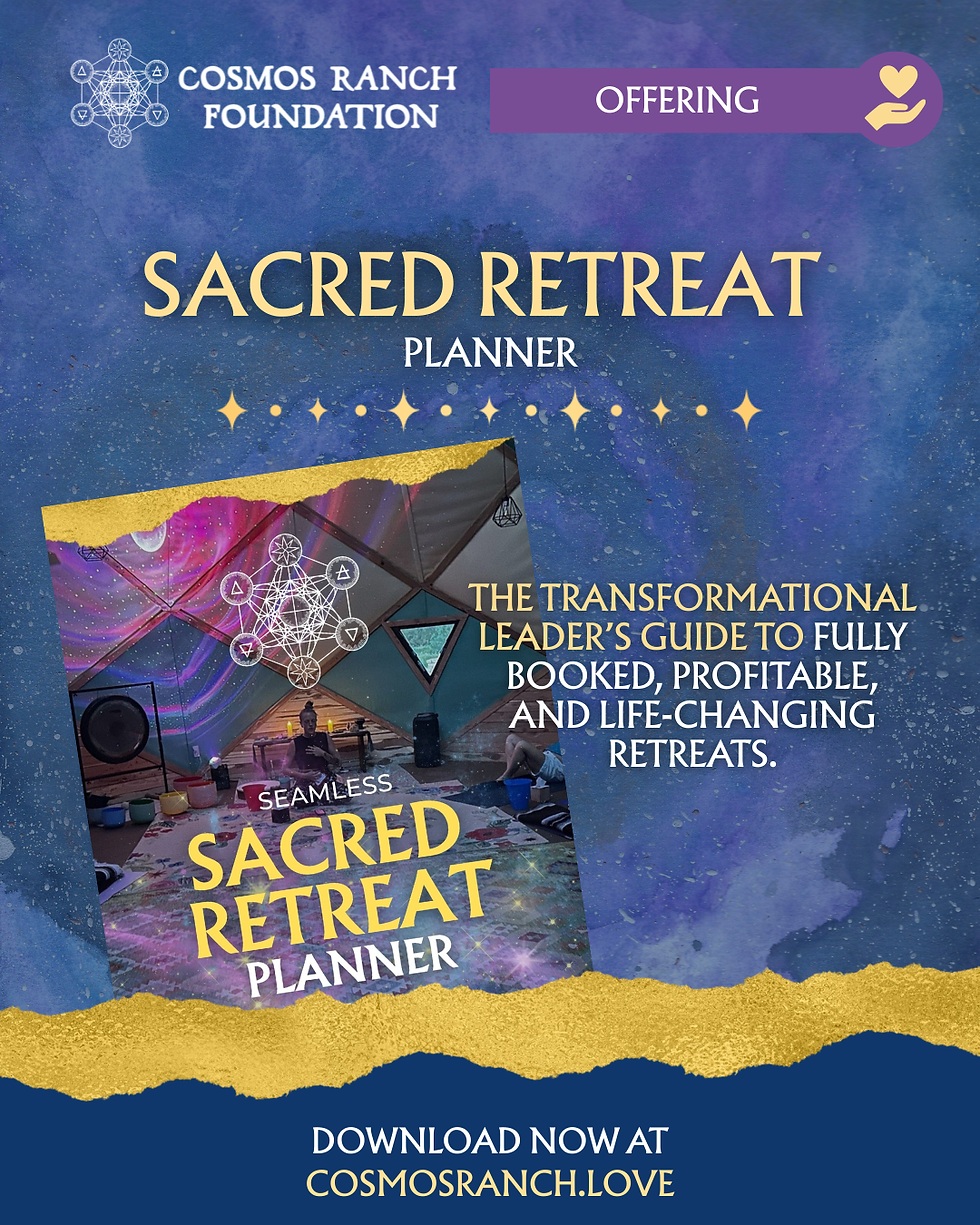
It’s the exact framework I use when designing coherent, nervous-system-safe retreats.
Inside, you’ll find guidance on:
Choosing aligned land
Designing transformational flow
Creating energetic safety
Structuring integration time
Budgeting sustainably
Avoiding common facilitation mistakes
Because the goal isn’t to host a retreat.
The goal is to host something that changes people, including you.
The Real Secret in How Retreat Leaders Choose Land
Is Coherency.
The most powerful retreats I’ve ever led weren’t perfect.
They were coherent.
The land was in right relationship. The container was steward with care. The pacing was in alignment. The intention was clean.
When those pieces align, something larger moves through the group.
And that’s when transformation becomes inevitable.
If you’re feeling the call to host a retreat — or refine the ones you’re already leading — the Sacred Retreat Planner was created for you.
Because land matters. Design matters. Leadership matters.
And when you build it well… the transformation builds itself.